This gallery showcases real-world sample photos taken with the Nikon Z6 III paired with the NIKKOR Z 24-70mm f/2.8 S II lens during an extended 30-day loan period. Every image here was captured on actual shoots — some paid client work, some personal projects — because that’s the only way to know what a camera is really capable of. You won’t find any controlled studio shots or cherry-picked test conditions here. Just the Nikon Z6 III doing its job the way you’d actually use it.
Product Links:
- Nikon Z6 III Body: https://jerad.link/nikonz6iiibody
- NIKKOR Z 24-70mm f/2.8 S II: https://jerad.link/nikkor2470f28ii
- SD Cards I Use: https://jerad.link/progradev90sd128gb
- CFexpress Type B Cards I Use: https://jerad.link/pgd512cfxb
Technical Details
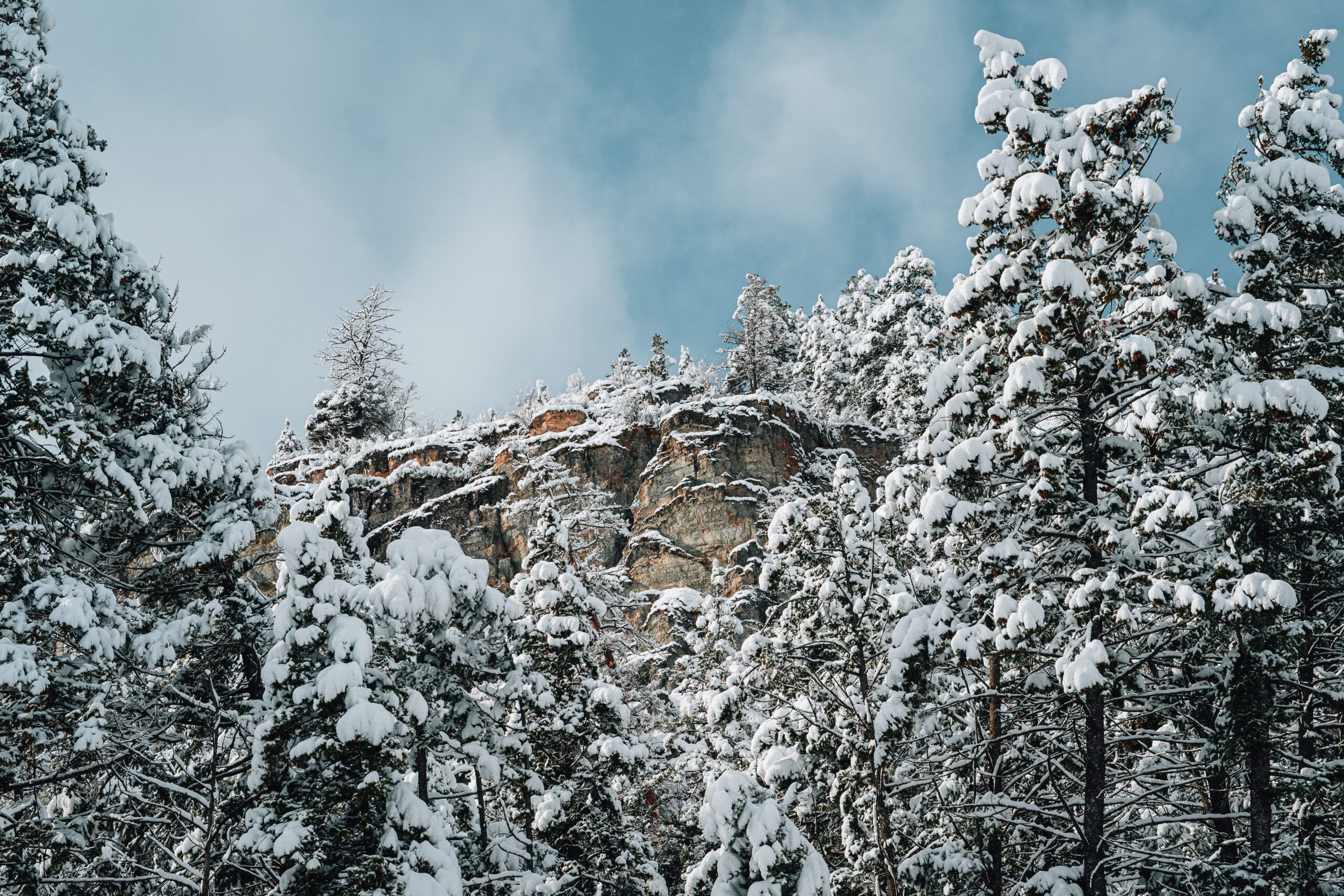
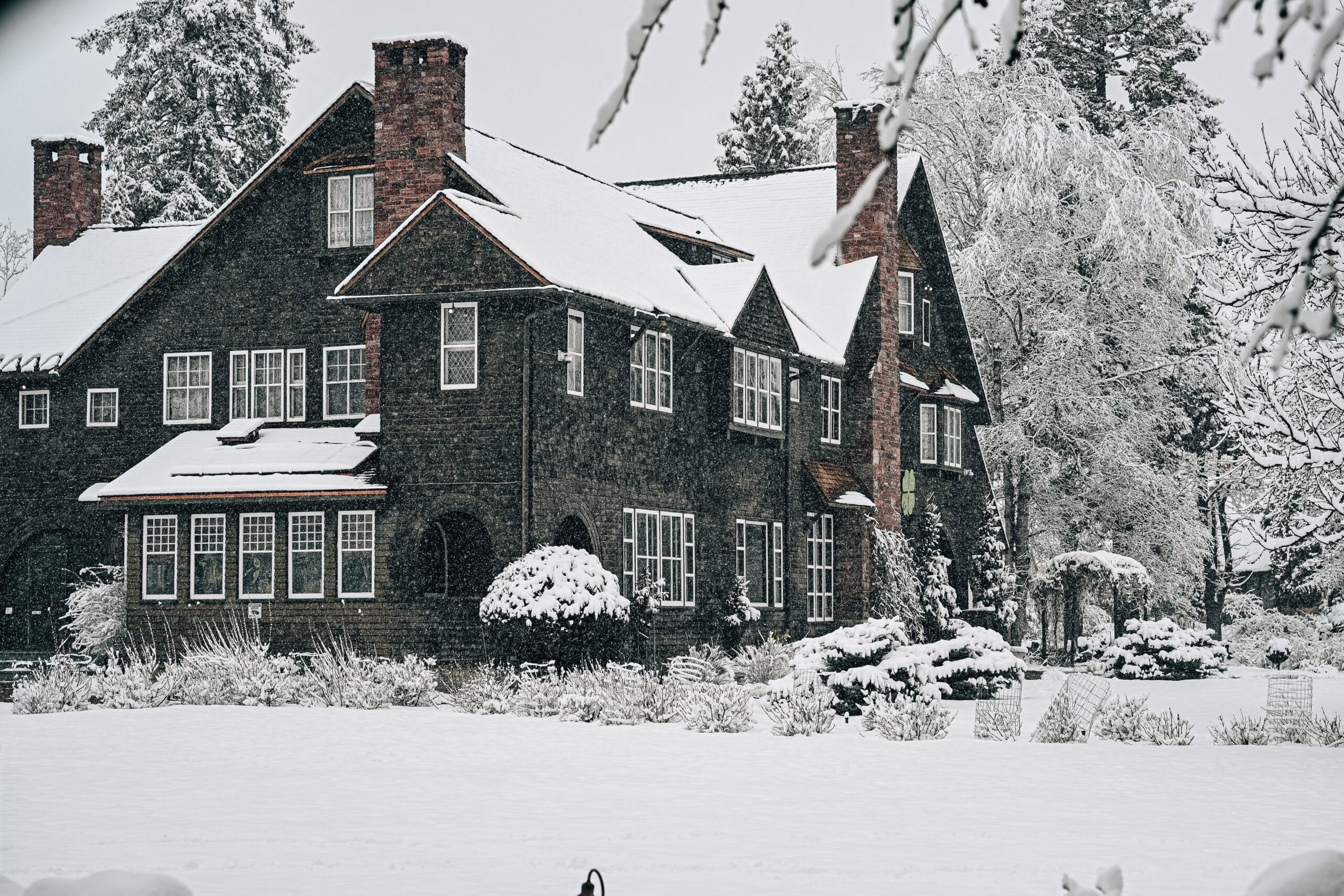
All sample photos have been exported from Adobe Lightroom at 3840px resolution with 80% quality settings, giving you a clear look at the Z6 III’s image quality without unnecessarily large file sizes. These exports accurately represent the detail, color rendering, and dynamic range you can expect from this camera in real shooting conditions.
What You’ll See
This gallery covers a range of shooting scenarios I encountered over the 30-day period:
- Portraits and candid moments highlighting the Z6 III’s subject detection and skin tone accuracy
- Low-light situations that reveal how the camera handles high ISO performance
- Action and movement demonstrating autofocus tracking reliability
- Everyday and lifestyle shots showing natural color rendering across mixed lighting
- Outdoor and landscape work capturing dynamic range from shadow to highlight
Lens Used
All sample images in this gallery were captured with the NIKKOR Z 24-70mm f/2.8 S II — a professional-grade workhorse that pairs well with the Z6 III’s 24.5MP sensor. Where relevant, shooting context and settings are noted so you can understand the conditions behind each frame.
Why These Sample Images Matter
These Nikon Z6 III sample images reflect actual shooting demands — the kind you face when a moment won’t repeat itself and your autofocus needs to work. I’ve been shooting professionally for over 26 years, and when I test a camera, I put it into real situations: weddings, portraits, sports, and personal work. That’s what you’ll see here. Not a spec sheet come to life, but a camera earning its keep.
Whether you’re weighing the Z6 III against your current body, curious how it performs alongside a lens you already own, or just want to see what 30 days of real use looks like — this gallery gives you honest, unfiltered results.
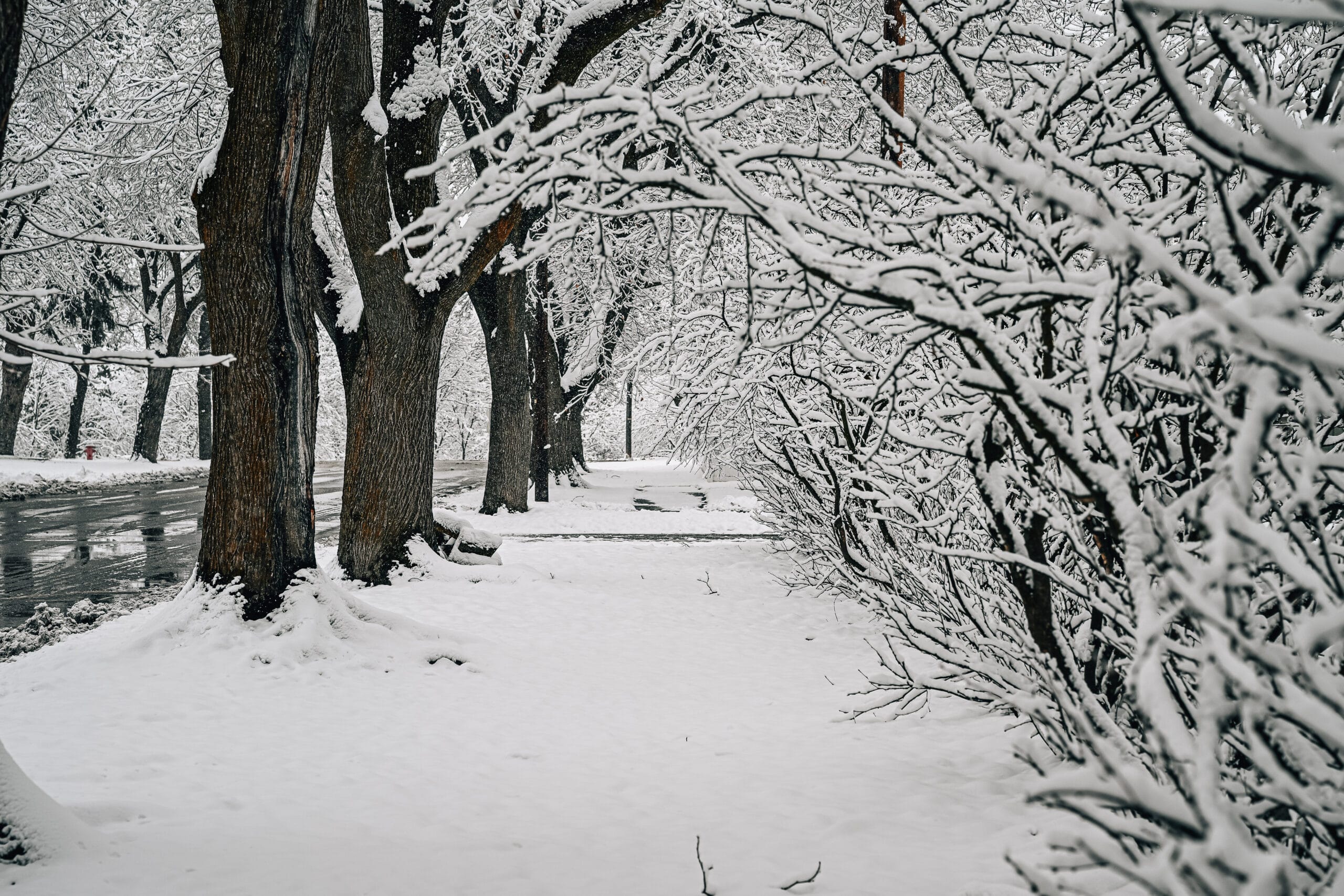
Scroll through the gallery below and click any image for a closer look at what the Nikon Z6 III delivers when it’s put to work.




FAQs
What is the image quality like on the Nikon Z6 III? The Nikon Z6 III produces excellent 24.5MP images with strong detail, accurate color, and impressive dynamic range — particularly in mixed or challenging lighting. It’s built around a partially stacked BSI CMOS sensor, which improves readout speed and reduces rolling shutter compared to traditional full-frame sensors, while maintaining the image quality you’d expect from a professional hybrid body.
How does the Nikon Z6 III perform in low light? Low-light performance is one of the Z6 III’s strengths. With a native ISO range up to 64000 (expandable to 204800), it handles available-light situations well, retaining detail and managing noise at higher ISOs better than many cameras in its class. The sample images in this gallery include real-world low-light shots that show how it actually performs — not just what the spec sheet claims.
Does the Nikon Z6 III have good autofocus for portraits and people? Yes — the Z6 III uses Nikon’s subject detection AF system with support for human, animal, and vehicle recognition. For portraits and people photography, eye and face detection is reliable and responsive, even in lower contrast or backlit situations. The sample images here include portraits taken under real shooting conditions to give you a practical look at how it performs.
What file formats does the Nikon Z6 III shoot in? The Z6 III shoots JPEG, HEIF, and NEF (Nikon’s RAW format) for stills, with 12-bit and 14-bit RAW options available. For those doing heavy post-processing work, the 14-bit lossless compressed NEF files give you excellent latitude in editing without the file size penalty of uncompressed RAW.
How does the Nikon Z6 III compare to other cameras for image quality? The Z6 III sits in a competitive segment alongside cameras like the Sony a7 IV and Canon EOS R6 Mark III. Its partially stacked sensor design gives it an edge in speed and readout performance over standard full-frame BSI sensors. For photographers who need strong stills performance and fast burst capabilities without jumping to a higher-resolution body, the Z6 III delivers a well-rounded package that holds up in real professional use.