The Best Sony Cameras for Fall 2026: Every Budget from $500 to Flagship
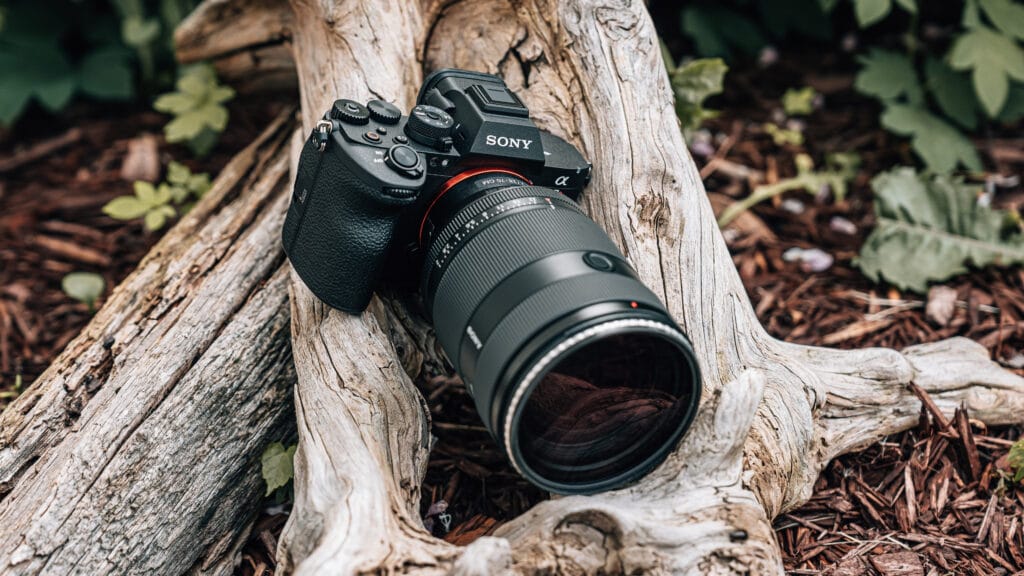
Fall is my favorite time of year to talk about camera buying. The photos practically take themselves this time of year, holiday sales start creeping in, and a lot of people are thinking about picking up a camera before family gatherings, senior portraits, and winter travel. I also get more “which camera should I buy” emails between August and November than the rest of the year combined.
So let’s answer it properly.
I’ve been a working photographer for over 26 years. I shoot weddings, sports, live events, and commercial work, and I’ve been shooting Sony Alpha cameras professionally for years. Every camera on this list is one I’ve either used on paid jobs or tested extensively against gear I use on paid jobs. This isn’t a spec-sheet roundup. This is the advice I’d give you if we were standing in a camera store together.
Here’s how this list works: we start at around $500 with a camera for someone who wants to get off their phone and learn photography, and we climb all the way to the flagship Sony A1 II. For each camera, I’ll give you specific reasons it’s the right choice at its price point, and then I’ll tell you what it’s missing — because knowing what you’re not getting is just as important as knowing what you are. I have owned each of the cameras mentioned in this post, so I have first hand experience with each of them.
One thing before we start, and I’ll repeat it later because it matters: buy a decent camera body and spend more on lenses. A high-end body with a cheap lens is a worse setup than a mid-range body with a great lens. Lenses hold their value, outlast camera bodies, and have a bigger impact on your images than most body upgrades. Upgrade your body if and when you actually need to.
Quick Comparison: Sony Cameras for Fall 2026
| Camera | Sensor | Best For | Approx. Price (Body) |
|---|---|---|---|
| Sony ZV-1F | 20.1MP 1-inch | First camera, getting off your phone | ~$500 |
| Sony ZV-E10 II | 26MP APS-C | First interchangeable-lens camera | ~$1,000 |
| Sony a6100 / a6700 | 24MP / 26MP APS-C | Serious hobbyists on a budget | Deal-dependent |
| Sony a7 IV | 33MP Full Frame | First full frame, all-around value | Well under launch price |
| Sony a7 V | 33MP Full Frame (partially stacked) | The do-everything camera in 2026 | ~$2,899 |
| Sony a7R VI | 67MP Full Frame (stacked) | Resolution + speed, near-flagship | ~$4,500 |
| Sony a9 III | 24.6MP Full Frame (global shutter) | Pure speed, sports/action | ~$6,000 |
| Sony A1 II | 50.1MP Full Frame (stacked) | Professionals who need everything | ~$6,500 |
Prices move around a lot in the fall, especially heading into Black Friday, so check current pricing at the links in each section.
Sony ZV-1F: The Best First Camera (Around $500)
The ZV-1F is marketed as a vlogging camera, and it’s a good one — but here’s what Sony doesn’t put on the box: it also takes genuinely great photos, and it’s one of the best ways to get off your phone and start learning photography without spending four figures.
It’s built around a 20.1MP 1-inch sensor, which is significantly larger than what’s in your phone. Larger sensor means better low-light performance, real optical background blur instead of the fake computational stuff, and images that hold up when you actually print them or crop in. The fixed 20mm-equivalent f/2 lens is wide, sharp, and bright.
Why the ZV-1F is the right choice at this price:
- The 1-inch sensor is a real upgrade over your phone. You’ll immediately notice cleaner images indoors, at dusk, and anywhere the light isn’t perfect. This is the single biggest reason to buy a dedicated camera, and the ZV-1F delivers it at the lowest price in Sony’s current lineup.
- The f/2 lens gives you true optical bokeh. There’s even a dedicated Background Defocus button. Your phone simulates blur with software and gets the edges wrong. This camera does it with physics.
- It shoots 4K30p video with a fully articulating touchscreen. If you’re creating any content at all — family videos, a YouTube channel, whatever — you’re covered, and the flip-out screen makes framing yourself easy.
- The built-in 3-capsule directional mic is legitimately good. It comes with a windscreen and records cleaner audio than any phone or most cameras at this price. For video, audio quality matters more than people think.
- It fits in a jacket pocket. The best camera is the one you have with you, and at 256 grams, this one actually comes with you. A camera that stays home teaches you nothing.
What you’re giving up (that the next level handles):
- No interchangeable lenses. The 20mm lens is wide and great for vlogging, selfies, and environmental shots, but you can’t zoom in for portraits, wildlife, or your kid’s soccer game.
- No RAW support. You’re shooting JPEGs only, which limits how much you can edit your photos later. If you want to learn real photo editing, this becomes a ceiling fast.
- Contrast-detect autofocus only. It’s fine for talking-head video and casual shooting, but it’s not the fast, sticky autofocus Sony is famous for. Moving subjects will test it.
- No viewfinder and a small sensor by mirrorless standards. A 1-inch sensor beats a phone, but an APS-C sensor beats a 1-inch sensor by roughly the same margin.
If you’re not sure photography is going to stick, or your budget stops at $500, this is the camera. If you already know you’re going to get into this hobby, spend a bit more on the next one.
👉 Check current price: Sony ZV-1F
Sony ZV-E10 II: Your First Interchangeable-Lens Camera (Around $1,000)
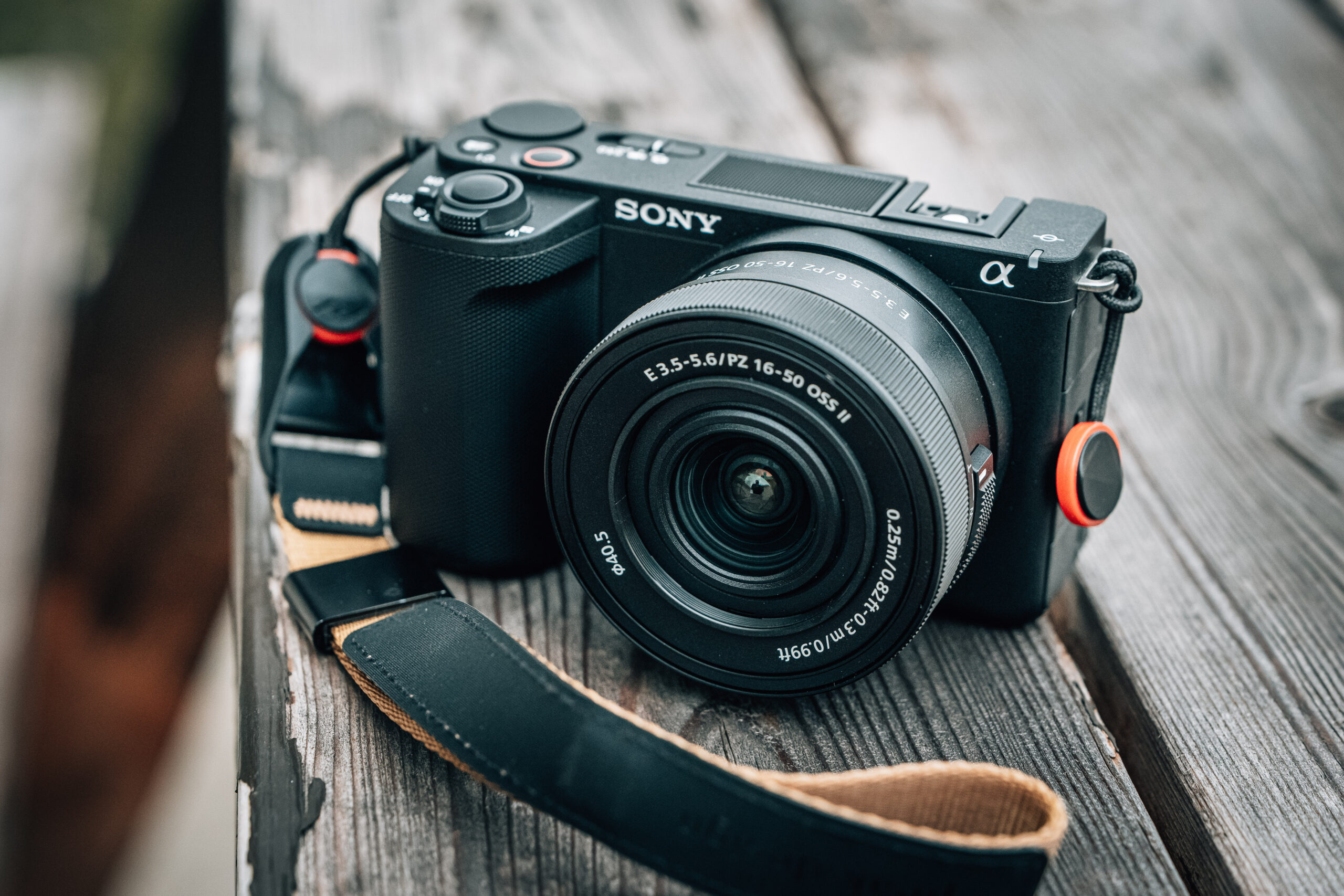
This is where photography opens up. The ZV-E10 II is another vlog-focused camera on paper, but it’s a mirrorless camera with Sony’s E-mount — which means it accepts the same lenses as every other camera on this list, all the way up to the A1 II.
It uses a 26MP APS-C sensor, the same modern sensor found in the much more expensive a6700, paired with Sony’s current BIONZ XR processor. Buy it with the kit lens, learn on it, and then expand your lens collection as your budget allows.
And this is where my lens philosophy really kicks in. I’ve told people the same thing for years: get a decent camera body and spend your money on glass. The lenses you buy for this camera today will still be working for you a decade from now on whatever body you own then. The E-mount ecosystem is the deepest in the industry — Sony, Sigma, Tamron, Viltrox — with excellent options at every price.
Why the ZV-E10 II is the right choice at this price:
- It’s your entry into the Sony E-mount system. Every dollar you put into lenses from here forward carries with you through every future upgrade. That makes this the smartest $1,000 you can spend if you’re serious about learning.
- The 26MP APS-C sensor punches way above the price. It’s the same class of sensor as cameras costing hundreds more, with real phase-detect autofocus including Sony’s excellent eye tracking for people and animals.
- The video specs are honestly ridiculous for the money. 4K60p in 10-bit 4:2:2. There are cameras costing twice as much that don’t shoot 10-bit. If you’re building a YouTube channel or shooting client video on a budget, this matters.
- Big-camera battery in a small body. It uses the same NP-FZ100 battery as Sony’s full-frame bodies, which means all-day shooting instead of the battery anxiety typical of small cameras.
- The fully articulating screen and creator-focused features carry over from the ZV line. Product Showcase mode, Background Defocus, the good built-in mic — everything that made the ZV-1F approachable is here, just with a much better engine underneath.
What you’re giving up:
- No viewfinder. Composing on the rear screen is fine indoors, but shooting in bright sunlight without an EVF gets old quickly. This is one of the first things you’ll miss.
- No in-body image stabilization (IBIS). You’re relying on stabilized lenses or electronic stabilization for video, which crops your frame.
- No mechanical shutter. The electronic-only shutter is silent, which is nice, but it can produce banding under certain artificial lights and rolling shutter distortion with fast-moving subjects.
- A more basic body and control layout. Fewer dials and custom buttons than the a6700 or the full-frame bodies, which slows you down once you start shooting in manual mode regularly.
👉 Check current price: Sony ZV-E10 II
Sony a6100 / a6700: The Smart-Deal Tier
The a6000-series has been Sony’s enthusiast APS-C workhorse line for over a decade, and both the a6100 and a6700 are still fantastic mirrorless cameras. But I need to be honest with you about where these sit in fall 2026: they’re getting older. The a6100 dates back to 2019 and the a6700 to mid-2023, which means they’re missing some of the technology Sony has released in the past couple of years.
That’s not a reason to skip them. It’s a reason to buy them the right way — which means hunting for a genuinely good deal, a fall sale, or a used copy in excellent condition. At full retail, I’d steer most people elsewhere. At a real discount, these are some of the best values in photography.
Why the a6100 or a6700 is the right choice at this price:
- You get a real photographer’s camera. Both have electronic viewfinders — the thing the ZV cameras lack — plus proper handling for stills shooting. If photos matter to you more than vlogging, this body style makes more sense than a ZV.
- Sony’s real-time tracking autofocus, even on the older a6100. The a6100 inherited autofocus tech from cameras that cost three times as much when it launched. It still locks onto eyes and faces impressively well.
- The a6700 is nearly a mini flagship. It has the 26MP sensor, IBIS, Sony’s dedicated AI processing unit for subject recognition, 4K120p video, and weather sealing. It genuinely does most of what my full-frame bodies do.
- Deep used market and aggressive fall pricing. Because this line has been around so long, there are thousands of well-cared-for used copies and frequent holiday discounts. Your dollar goes further here than anywhere else in the lineup.
- The same E-mount lens advantage as the ZV-E10 II. Everything you buy carries forward.
What you’re giving up:
- Age. The a6100’s menus, screen, and video specs (8-bit 4K30p) feel dated in 2026. Even the a6700 is now several generations behind Sony’s latest processing.
- The a6100 has no IBIS and no weather sealing. Handheld low-light shooting and shooting in bad weather both require more care.
- APS-C low-light and depth-of-field limits. These sensors are great, but full frame gathers more light and produces shallower depth of field at equivalent framing. This is the fundamental reason the next tier exists.
- Uncertain upgrade path. Sony’s APS-C release cycle is slow. If you’re the kind of person who wants the latest technology, the full-frame line is where Sony puts its newest tech first.
👉 Check current prices: Sony a6100 kit | Sony a6700 kit
Sony a7 IV: Your Gateway to Full Frame
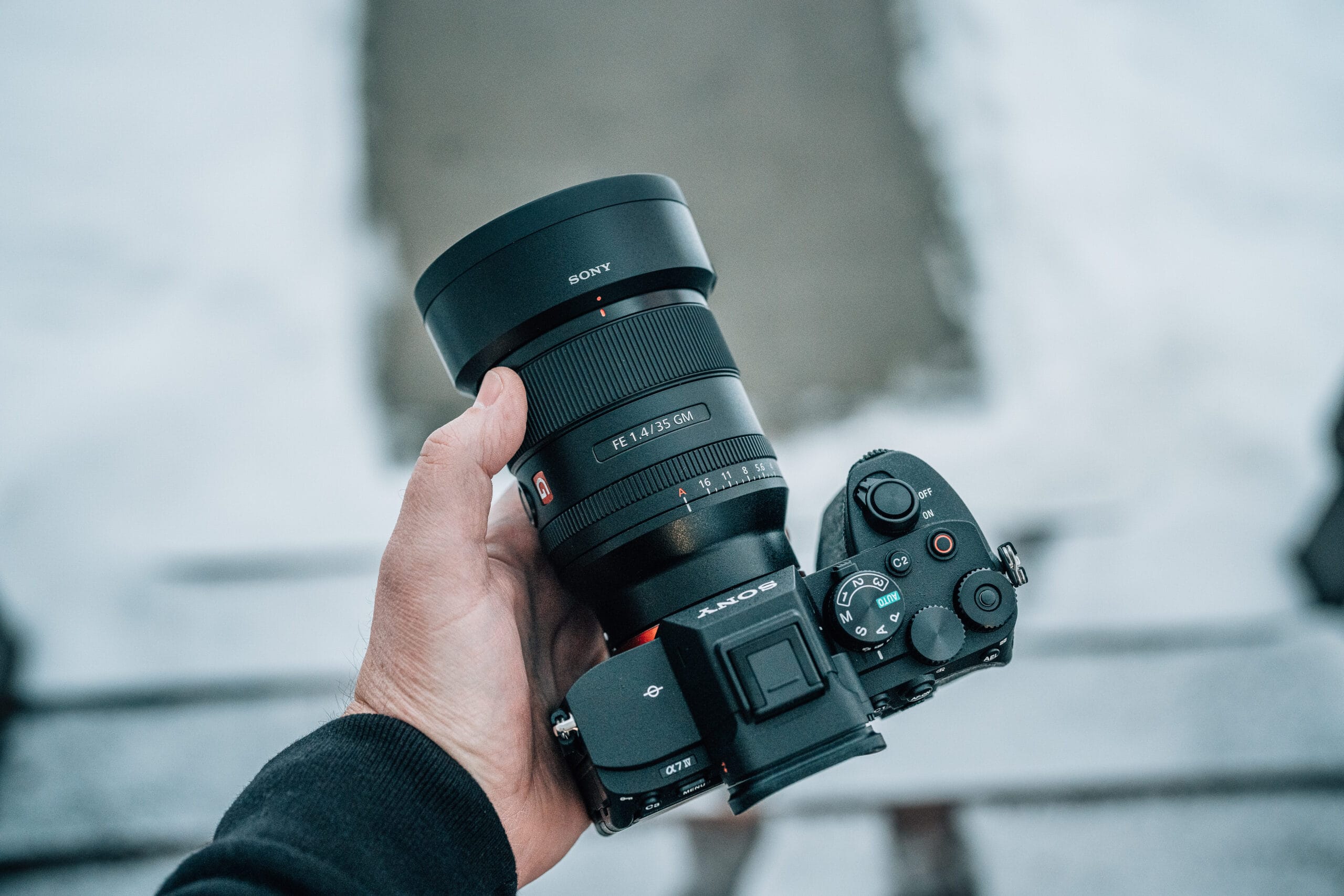
Here’s where this list changes. The a7 IV is the first full-frame camera in the lineup, and thanks to the a7 V’s release at the end of 2025, this previous-generation model is now meaningfully cheaper than its original $2,499 launch price — which makes it one of the best camera values on the market right now.
Let me be clear about what you’re getting: the a7 IV is the most popular full-frame mirrorless camera in the world, and it earned that. A 33MP full-frame sensor, fast and reliable autofocus, excellent battery life, dual card slots, and 4K60p video in 10-bit. I’ve watched this camera handle weddings, portraits, sports, events, and commercial work without breaking a sweat. It is capable of pretty much anything you throw at it.
Why the a7 IV is the right choice at this price:
- Full frame changes your images. Better low-light performance, more dynamic range to recover shadows and highlights, and shallower depth of field for that professional look. This is the single biggest image-quality jump on this list.
- 33MP is the sweet spot. Enough resolution to crop aggressively and print large, without the massive file sizes that bog down your computer and your card budget.
- It’s a proven professional tool at an enthusiast price. Dual card slots (one CFexpress Type A/SD, one SD), a real weather-sealed body, the big NP-FZ100 battery, and ergonomics designed for long shooting days. Working pros used this camera as their primary body for years. Many still do.
- 4K60p 10-bit video with full hybrid credibility. If you shoot both photos and video — and most people do now — the a7 IV does both at a level that was flagship-only a few years ago.
- The price gap to the a7 V buys you a serious lens. The roughly $900 difference between this and the current model is a Sigma or Tamron f/2.8 zoom, or a beautiful prime. Remember the rule: body second, lenses first.
A note on the a7C II: there’s a smaller version of this camera, the a7C II, but as of this writing it’s priced about $1,000 more than the a7 IV while missing things the bigger body has — dual card slots, better heat management for video, a larger viewfinder, and frankly better ergonomics for long days. Only choose the a7C II if the compact body genuinely matters for how you shoot. For everyone else, the a7 IV is the better buy.
What you’re giving up (that the a7 V handles):
- 10fps burst shooting versus 30fps. For portraits, landscapes, and events, 10fps is plenty. For fast sports, wildlife, and kids who won’t hold still, the a7 V’s tripled burst rate is a real advantage.
- Previous-generation autofocus. The a7 IV’s AF is very good, but it lacks the dedicated AI subject-recognition processing in the a7 V. The newer system recognizes more subject types and holds them more stubbornly.
- A tilting rather than improved fully articulating screen experience and older processing. The a7 V’s newer BIONZ XR2 engine improves color, buffer clearing, and video oversampling.
- 4K60p requires a Super 35 crop. The a7 V shoots oversampled 4K60p from the full sensor width — no crop, more detail.
If you buy an a7 IV, learn it properly. I built my Sony Alpha 7 IV Fast Start Guide for exactly this — getting you from box to confident shooting without months of menu-diving.
👉 Check current price: Sony a7 IV
Sony a7 V: The Do-Everything Camera of 2026 (~$2,899)
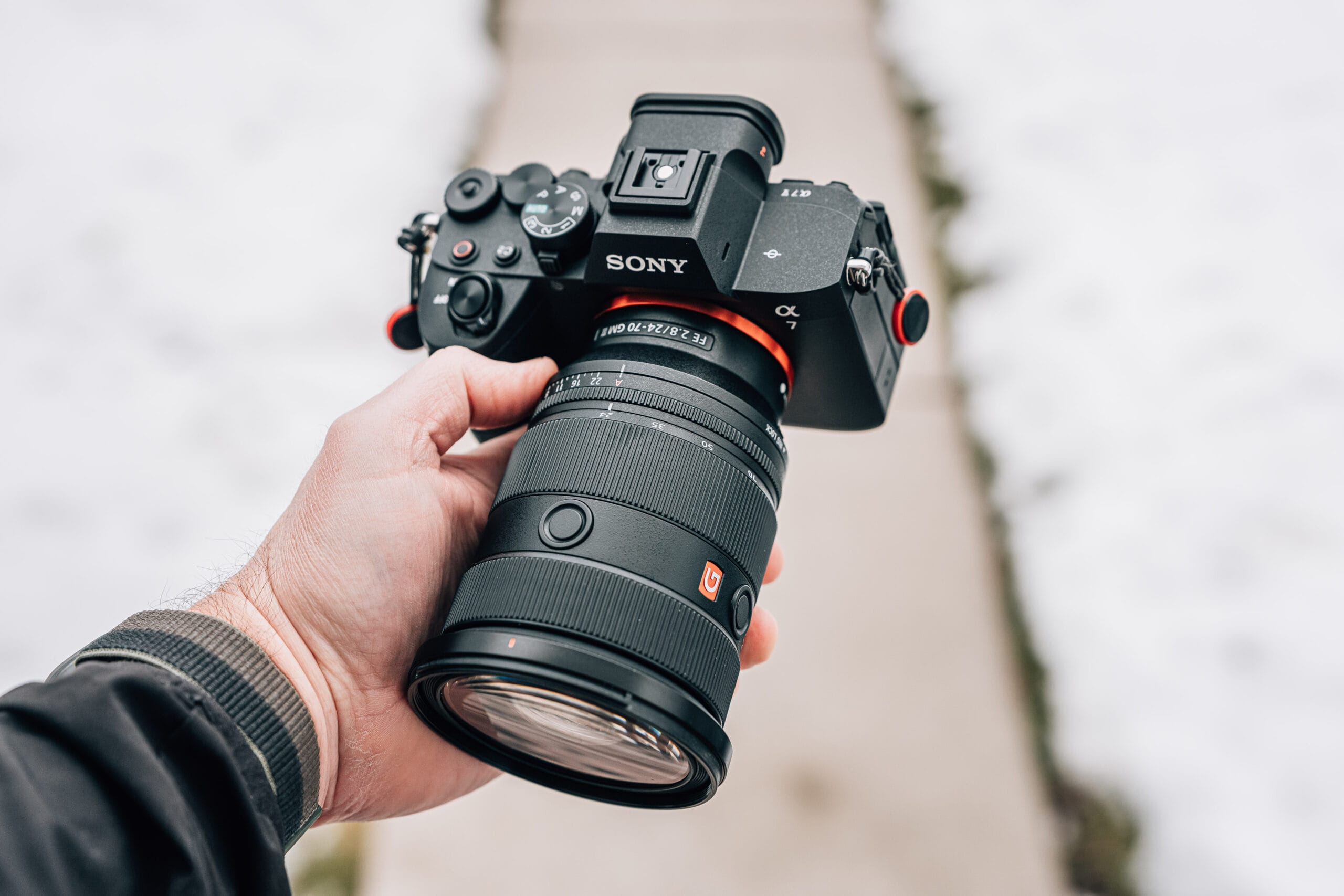
The a7 V was released at the end of 2025, and after using it extensively, I think it’s the camera most enthusiasts and working photographers should buy in fall 2026. It takes everything that made the a7 IV the world’s most popular full-frame camera and fixes nearly every complaint.
The headline changes: a new 33MP partially stacked sensor with much faster readout, the new BIONZ XR2 processor, dramatically improved AI-driven autofocus with expanded subject recognition, burst shooting up to 30fps, a fully articulating screen, and 4K video up to 120p. It’s about $900 more than the a7 IV currently sells for, and I think those features are worth the additional cost — especially if you shoot faster-moving subjects.
Why the a7 V is the right choice at this price:
- The autofocus is a generational leap. The dedicated AI subject recognition locks onto people, animals, birds, and vehicles with a stickiness that the a7 IV can’t match. On paid jobs, this is the difference between “most shots in focus” and “I stopped thinking about focus.”
- 30fps burst shooting in a $2,899 camera. That was flagship A1 territory not long ago. Combined with the faster sensor readout, fast action — sports, kids, pets, wildlife — is now firmly in this camera’s wheelhouse.
- The video is a full step up. 4K60p oversampled from 7K using the full sensor width, 4K120p in Super 35, 10-bit throughout, plus improved stabilization and better thermal management for long recordings. This is a legitimate hybrid workhorse.
- The partially stacked sensor tames rolling shutter. Faster readout means less distortion with the electronic shutter, fewer banding issues under artificial light, and more confidence shooting silently at events and ceremonies.
- It’s the safest “buy once” recommendation I can make. Whatever direction your photography grows — portraits, action, video, travel — this camera grows with you. Most people who buy an a7 V will not outgrow it.
What you’re giving up (that the a7R series handles):
- Resolution. 33MP is plenty for most work, but it’s half of what the a7R VI delivers. Landscape photographers, commercial shooters, and anyone who crops heavily will feel the difference.
- Fine detail for large output. Big prints, gallery work, and clients who demand maximum detail are where the R series earns its price.
- The final tier of build and viewfinder. The higher-end bodies get the bigger, higher-resolution EVFs and the most robust construction Sony makes.
I shot with the a7 V long enough to build a full course around it. If you pick one up, my Sony a7 V Complete Course walks through every setting, menu, and real-world configuration I use on actual paid shoots.
👉 Check current price: Sony a7 V
Sony a7R VI: Resolution Without Compromise (~$4,500)
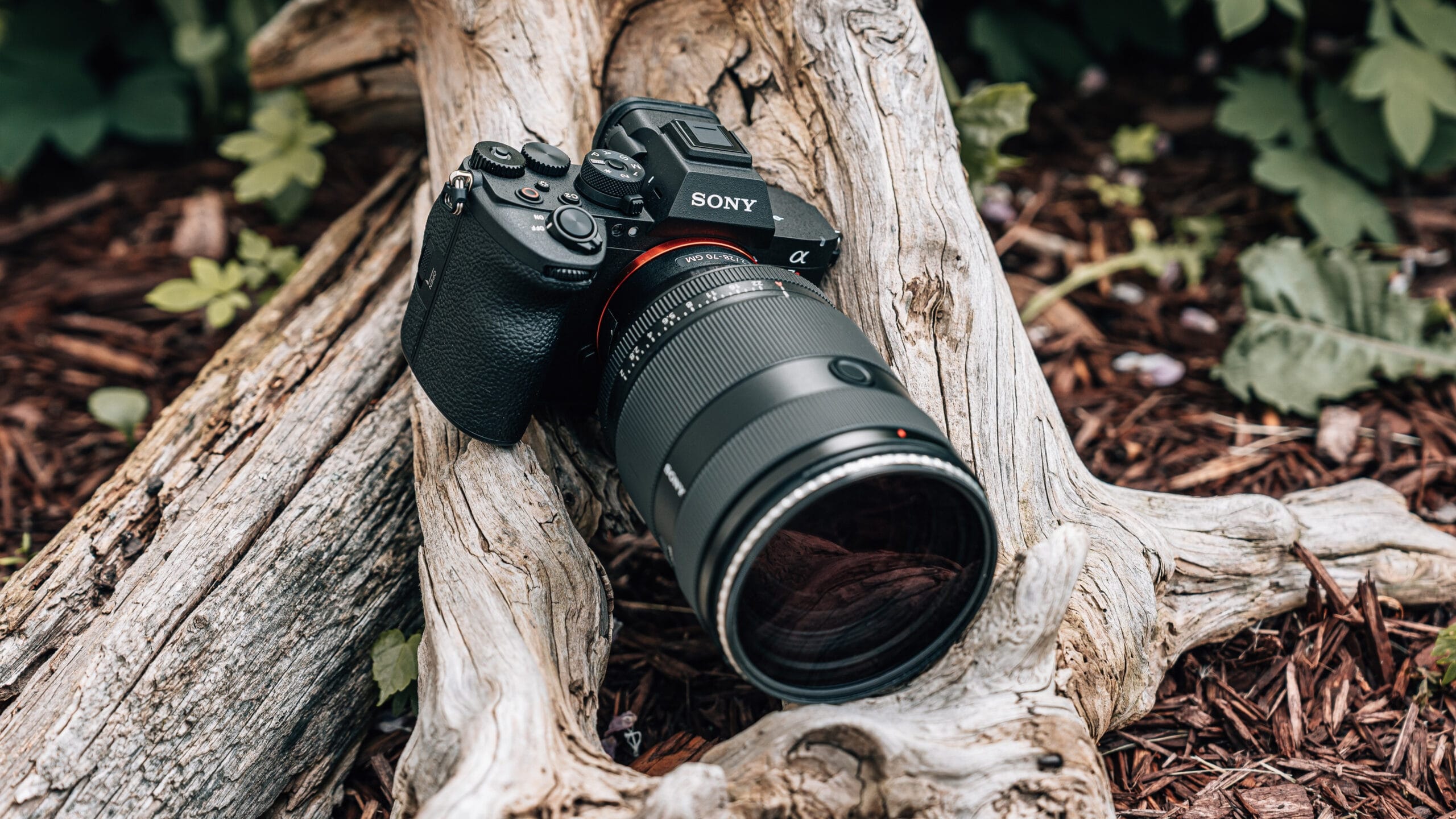
This next jump is a big one in price, and it’s the one that surprised me most this year. I’ve used every generation of the a7R series, and the a7R VI is the first one fast enough to shoot just about anything.
Here’s the history: the R series has always been about resolution. The a7R V’s 61MP sensor produced incredible files, but it was slow — burst shooting topped out around 10fps, buffer clearing took forever, and autofocus lagged behind Sony’s faster bodies. You bought an a7R for landscapes, studio, and commercial work, and you bought something else for action.
The a7R VI ends that compromise. It pairs a new 67MP fully stacked sensor — the highest resolution in any full-frame camera — with the BIONZ XR2 engine, delivering up to 30fps continuous shooting at full resolution with sensor readout roughly 5.6 times faster than the a7R V. Resolution and speed, in one body, for about $1,500 less than the flagship.
I’ll be honest: the a7R VI has me wondering why I own the A1 II. It’s just that good.
Why the a7R VI is the right choice at this price:
- 67 megapixels changes what’s possible. Crop a horizontal frame into a vertical and still deliver more resolution than an a7 V’s full frame. Shoot a landscape and print it wall-sized. For wildlife shooters, cropping is effectively free telephoto reach.
- 30fps at full resolution. This was the entire reason the A1 series existed. Now it’s here, at 67MP, in an a7R body. Sports, birds in flight, kids, weddings — nothing on your shot list is off-limits anymore.
- The stacked sensor eliminates the old R-series weaknesses. Fast readout means minimal rolling shutter, confident silent shooting, and pre-capture RAW so the camera is already buffering frames before you fully press the shutter.
- The autofocus finally matches Sony’s best. Previous R bodies always trailed the A1 and a9 in AF tenacity. This one doesn’t. It tracks like a flagship because, in most ways that matter, it is one.
- It’s arguably the best value in Sony’s high-end lineup. Near-A1 II speed, higher resolution than the A1 II, at roughly two-thirds the price.
What about the a7R V? The previous version is still an excellent camera, and it’ll be discounted this fall. If you specifically need 61MP for slower, deliberate work — landscapes, studio, architecture — it’s a good option. But for most people, I’d rather see you buy the a7 V and put the difference into a really nice lens. That combination will serve you better than an older R body.
What you’re giving up (that the a9 III / A1 II handle):
- Absolute speed. If your entire career is fast action, the a9 III’s 120fps global shutter is another universe. The a7R VI is fast; the a9 III is instantaneous.
- File size practicality for high-volume work. 67MP files are enormous. Shooting 4,000+ frames at a wedding or a full sports season means serious card, storage, and computer costs.
- Low-light ceiling. More megapixels means smaller pixels. The A1 II’s 50MP sensor and the lower-resolution bodies hold a modest edge at very high ISOs.
- The last word in flagship build and workflow. The A1 II remains the camera Sony builds for agencies and full-time working pros, with the connectivity and durability that role demands.
👉 Check current price: Sony a7R VI
Sony a9 III: When Speed Is Everything (~$6,000)
Before we get to the flagship, there’s a specialist worth knowing about. If you need the fastest continuous shooting possible, the a9 III is your camera — full stop.
It’s built around the world’s first full-frame global shutter sensor, which reads the entire frame at once instead of line by line. The practical results are almost hard to believe: up to 120fps continuous shooting at full resolution, zero rolling shutter distortion, zero banding under artificial light, and flash sync at any shutter speed — up to 1/80,000 of a second.
The tradeoff is resolution. At 24.6MP, it’s nowhere near the a7R VI’s 67MP or even the A1 II’s 50MP. This is a deliberate choice: the a9 III trades pixels for pure speed.
Who it’s for: professional sports shooters, photojournalists, and action photographers whose income depends on capturing the exact peak moment. For that person, nothing else Sony makes — nothing else anyone makes — competes.
Who it’s not for: almost everyone else. If you need speed and resolution, the a7R VI or A1 II are better all-around choices.
👉 Check current price: Sony a9 III
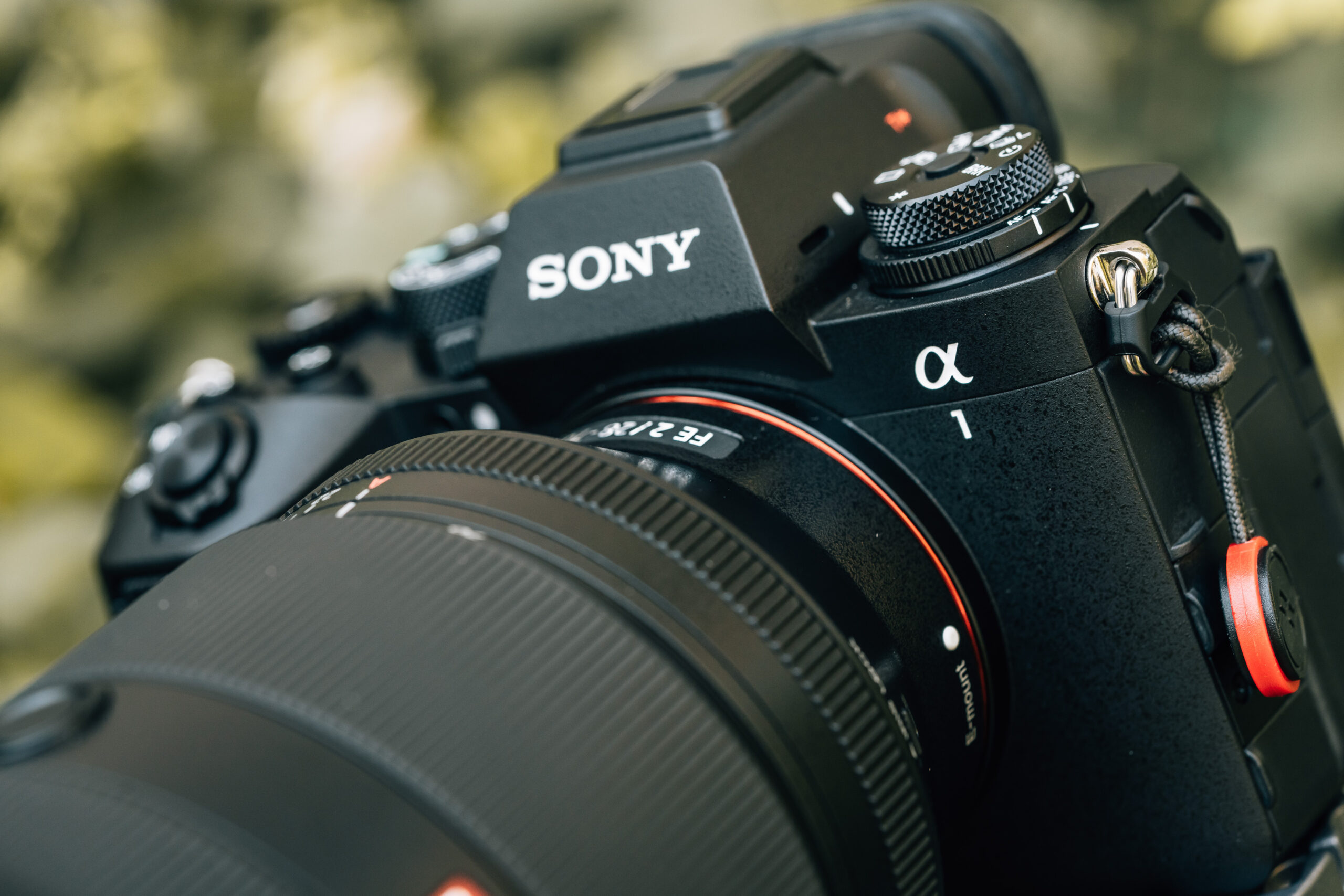
Sony A1 II: The Flagship (~$6,500)
The A1 II is the most expensive mirrorless camera Sony makes, and it exists for a simple reason: it takes the best of every other camera on this list and puts it in one body.
50.1MP stacked sensor. 30fps blackout-free continuous shooting. 8K30p video oversampled from 8.6K, plus 4K120p. Class-leading rolling shutter performance. Up to 8.5 stops of in-body stabilization. Sony’s most advanced AI autofocus. Pro-grade weather sealing, connectivity, and workflow features built for people whose livelihood is riding on every frame.
This is the camera I grab for serious work — when I need my camera to perform in every situation without me thinking about its limits. Dark reception hall, harsh midday sun, fast-moving subjects, a client watching over my shoulder: the A1 II handles all of it. It shoots 50MP images while being one of the best full-frame cameras in low light, which is a combination that shouldn’t be possible.
Why the A1 II is the right choice at this price:
- It does everything at a professional level simultaneously. High resolution, high speed, elite video, elite autofocus. Every other camera on this list specializes; this one doesn’t have to.
- 50MP with genuine low-light performance. You get files with commercial-grade resolution and clean high-ISO output, which the a7R VI’s smaller pixels can’t fully match.
- 8K video and the best rolling shutter performance outside the a9 III. For hybrid pros delivering both stills and motion, no other Sony body covers this range.
- It’s built for the job. When a wedding has no do-overs, when a client is paying serious money, when the weather turns — this is the body designed to keep working. That reliability is what the price actually buys.
- One body instead of two. For working pros, the A1 II can genuinely replace carrying separate high-resolution and high-speed bodies. Do that math against $6,500 and it looks different.
What you’re giving up: honestly, at this level, it’s just money — and, after the a7R VI’s release, a little resolution. If $6,500 in the body means compromising on lenses, buy the a7 V or a7R VI and better glass instead. The lens rule applies at every tier, including this one.
👉 Check current price: Sony A1 II
My Bottom-Line Recommendations for Fall 2026
- Just getting off your phone, ~$500: Sony ZV-1F
- Serious about learning, ~$1,000: Sony ZV-E10 II with the kit lens, then invest in glass
- Stills-focused hobbyist hunting a deal: Sony a6700 (or a6100 used, in excellent condition)
- First full frame, best value: Sony a7 IV
- Best camera for most people, period: Sony a7 V
- Resolution and speed together: Sony a7R VI
- Pure speed professional: Sony a9 III
- Everything, no compromises: Sony A1 II
And once more, because it’s the most important advice in this article: whatever body you choose, prioritize lenses. Bodies depreciate and get replaced. Great glass follows you for decades.
Frequently Asked Questions
What is the best Sony camera for beginners in 2026?
The Sony ZV-1F is the best true entry point at around $500 — a big sensor upgrade over any phone in a pocketable body. If your budget reaches $1,000, the ZV-E10 II is the smarter long-term buy because it accepts interchangeable lenses and gets you into the Sony E-mount system.
Is the Sony a7 V worth $900 more than the a7 IV?
For most people, yes. The a7 V adds AI subject-recognition autofocus, 30fps burst shooting (versus 10fps), uncropped oversampled 4K60p video, and a faster partially stacked sensor. If you shoot fast-moving subjects — sports, kids, pets, wildlife — the difference is significant. If you shoot mostly portraits and landscapes on a tight budget, the discounted a7 IV remains an outstanding value.
Should I buy the Sony a7C II or the a7 IV?
As of fall 2026, the a7C II costs about $1,000 more than the a7 IV while lacking dual card slots, the a7 IV’s superior cooling, and its better ergonomics. Only choose the a7C II if the compact body size is genuinely important to how you shoot. Otherwise, the a7 IV is the better buy.
Is the Sony a6100 too old to buy in 2026?
Not if you buy it right. The a6100 is still a capable camera with excellent autofocus tracking, but it dates to 2019, so pay a price that reflects that — look for a strong sale or a used copy in excellent condition. At full retail, put that money toward a ZV-E10 II or a discounted a6700 instead.
Is the Sony a7R VI worth it over the a7R V?
If you shoot anything that moves, yes. The a7R VI’s 67MP stacked sensor delivers up to 30fps with flagship-level autofocus, eliminating the speed limitations that defined earlier a7R bodies. The a7R V remains a good choice only for deliberate, slower work — and if that’s you, consider whether an a7 V plus a better lens serves you better.
What’s the difference between the Sony a9 III and the A1 II?
The a9 III is a speed specialist: a 24.6MP global shutter sensor shooting up to 120fps with zero distortion and flash sync at any shutter speed. The A1 II is the all-rounder flagship: 50.1MP, 30fps, 8K video, and superior resolution and low-light performance. Buy the a9 III only if extreme speed is your primary need.
Is full frame worth it over APS-C?
If your budget allows for a full-frame body and at least one good lens, yes — you gain low-light performance, dynamic range, and shallower depth of field. If going full frame means pairing an expensive body with a cheap kit lens, don’t do it. An APS-C body with excellent glass will outperform that combination.
Should I spend more on the camera body or the lens?
The lens. This has been my advice for my entire career: buy a decent body and put your money into glass. Lenses affect image quality more than body upgrades, hold their resale value far better, and carry forward through every body you’ll ever own.
When is the best time to buy a Sony camera in 2026?
Fall is genuinely one of the best windows. Prices on previous-generation bodies like the a7 IV and a7R V drop after their successors launch, and holiday promotions typically begin ramping up in October and peak around Black Friday in late November.
Do Sony cameras hold their value?
Sony full-frame bodies hold value reasonably well, and Sony E-mount lenses hold value exceptionally well — another reason to weight your budget toward glass. The used market for Sony gear is deep and healthy, which also makes buying used a legitimate strategy at the a6000-series and a7-series level.
Which Sony camera do you personally use?
My primary bodies are the Sony A1 II and the a7CR, and I shoot the a7 V regularly. Everything in this article comes from using these cameras on actual paid work — weddings, sports, live events, and commercial jobs — not lab testing.
Can the Sony ZV-1F really take good photos, or is it just for vlogging?
It takes genuinely good photos. The 20.1MP 1-inch sensor and f/2 lens produce images well beyond any smartphone, with real optical background blur. Its limits are the fixed wide lens and the lack of RAW capture — which is exactly why the ZV-E10 II is the natural next step once you outgrow it.
Disclosure: Some links in this article are affiliate links to B&H Photo and Amazon. If you purchase through them, I earn a small commission at no additional cost to you. This is part of how I keep this site running, and it never affects my recommendations — every opinion here comes from my own use of this gear on real paid work.